

Gamification: Transforming Learning Through Play
Let's look at something that sounds like a gimmick until you see it work: gamified learning. When done just right, play becomes the engine of learning rather than a distraction from it. I believe in human-centered AI, and here it amplifies one of the oldest ways humans have ever learned, by playing. Let's look at why play works, then walk through my Gamified Learning demo, where you upload your own material and our system turns it into three games you can play, replay, and download the gamified content.
A Gimmick, Until It Works
There are two reactions when I bring up gamified learning. Some people light up, remembering a game that taught them something they never forgot. Others roll their eyes, picturing a hollow badge and a little fanfare every time you tap the right answer.

The eye-rollers are reacting to bad gamification rather than the kind I am talking about here, where most attempts bolt a reward onto boring work. Done well, a game changes how it feels to engage with the material, so the engagement happens on its own.
We Were Built to Play
Watch any child learn something challenging, and you will probably find a game hiding within the learning process. Even young animals learn by play, rehearsing the skills they will need, with the stakes low enough that failing is safe and trying again is fun.
We do not outgrow that wiring. We just get taught to think we are too old for it, absorbing the idea that real learning has to be solemn. The moments I learned the most were rarely the grim ones.
The Trouble with Repetition

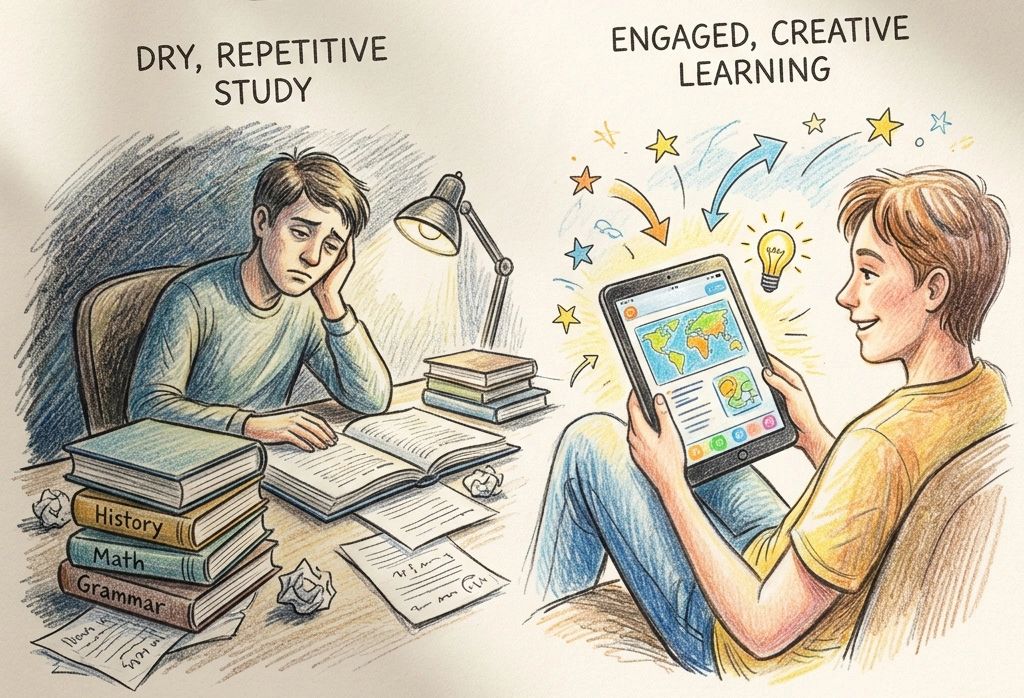
Most things worth knowing require repetition, and repetition is tedious. You have to see an idea more than once, get it wrong, and come back before it becomes yours. Nobody enjoys the tenth pass through the flashcards.
This is a problem that play is incredibly good at solving. A game gives you a reason to go through the material again, and this has little to do with willpower. The repetition comes through self-motivation to do better the next time.
What a Game Actually Does
Strip a good learning game down and you find a few simple mechanics. There are small stakes that make you care about each choice, fast feedback that tells you whether you were right and why, and a pull to try again because the gap feels crossable.
Put those together and your attention sharpens. You stop drifting, because drifting costs you, and you start weighing and committing to answers. That focused, present state is where learning lives.
You Can Try It Yourself
If you would like to experience this gamification rather than simply read about it, I have built a demo for you at Gamified Learning. It turns your own material into something you can play. You upload a PDF or paste in some text, and with one click the system builds a game for you.
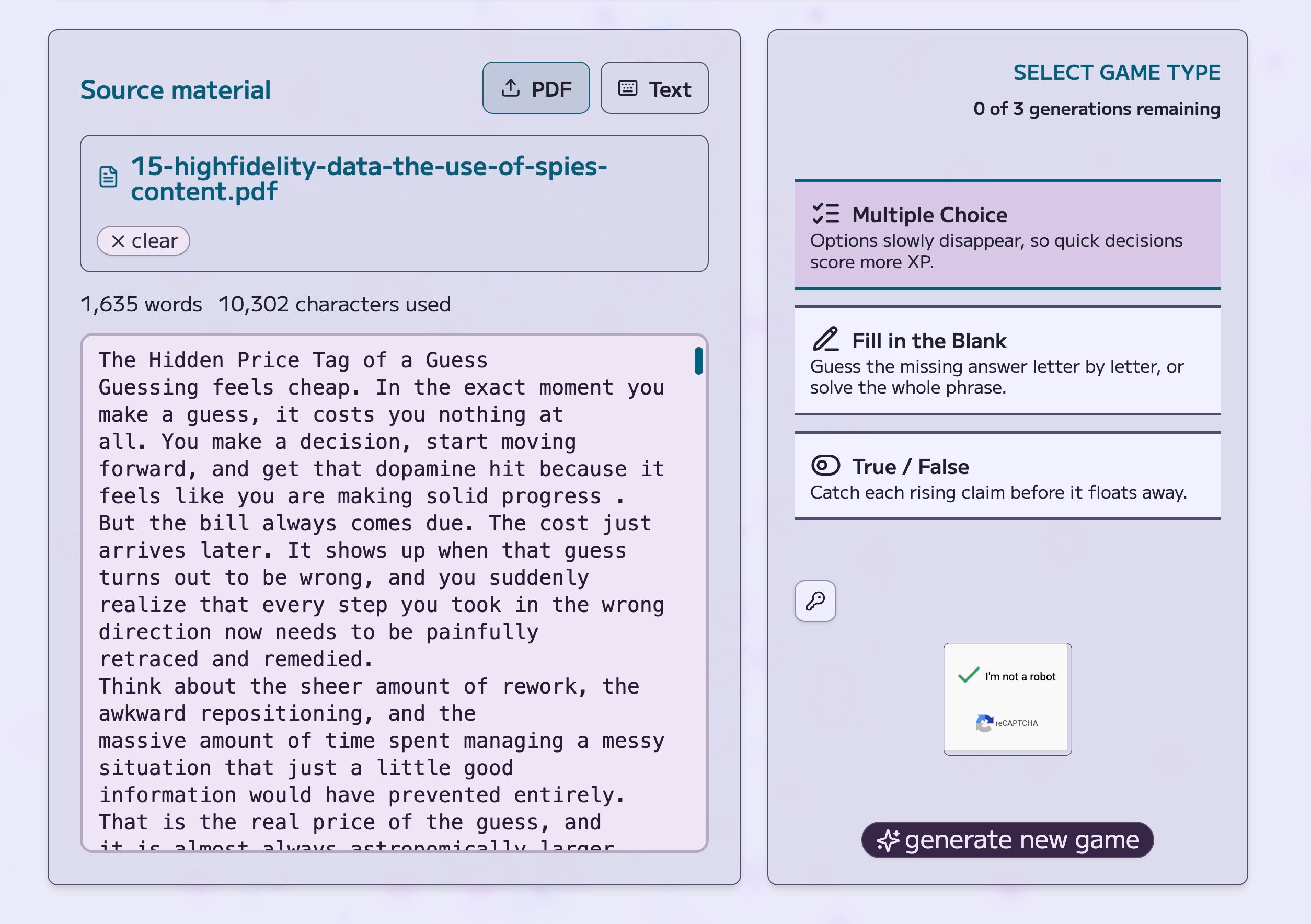
Everything in the game comes straight from the material you handed over, not from some vague training content the model half-remembers.
Three Ways to Play
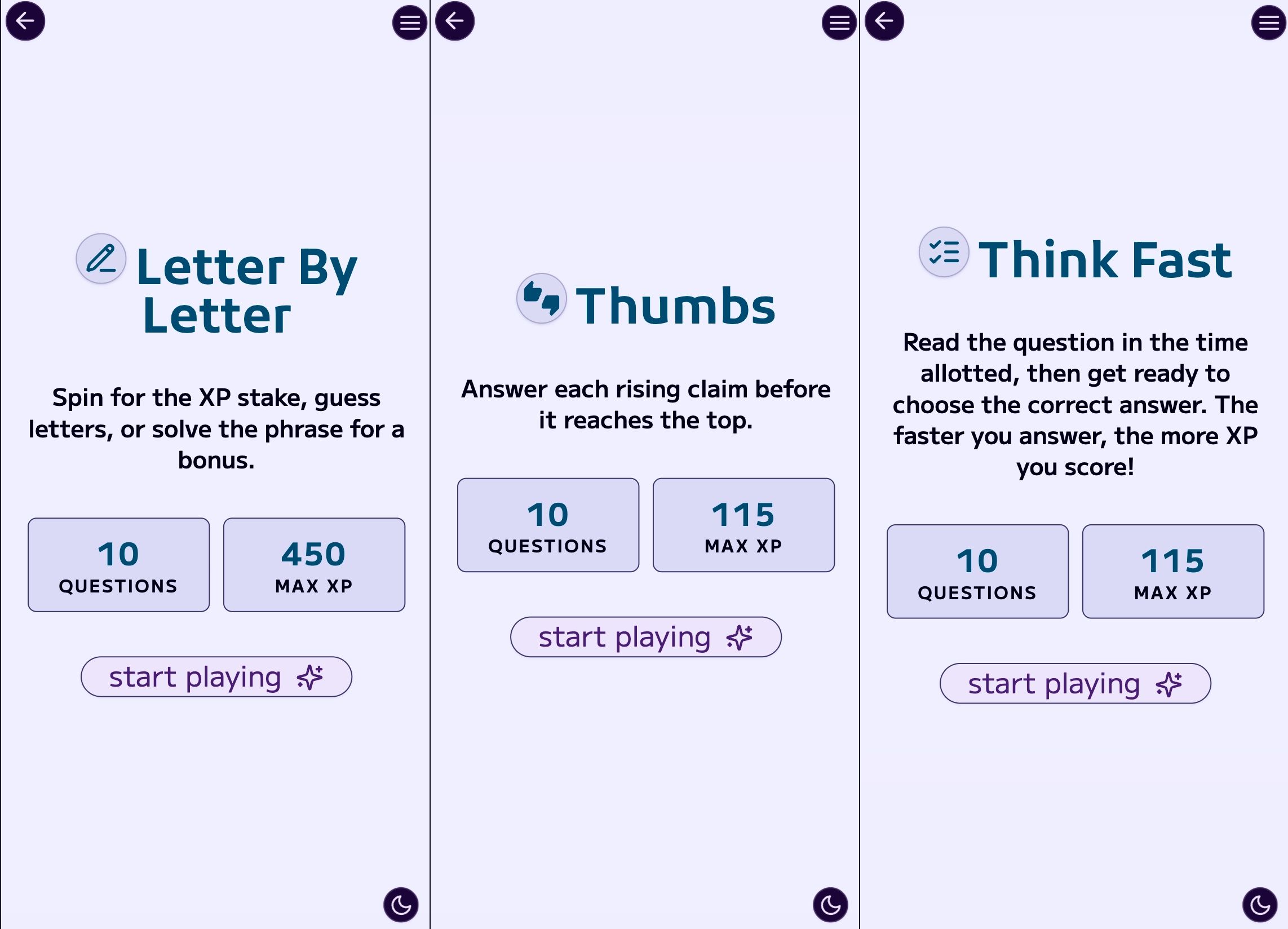
Each game asks something different of you. Think Fast is multiple choice where the options slowly disappear, so quick decisions score more. Letter by Letter is fill in the blank played like Wheel of Fortune, revealed one letter at a time. Thumbs is true or false, catching claims before they float away.
Each format trains a different mental strength, from quick recognition to full recall to fast judgment. Bouncing between them keeps the same material from going stale, so you see your content from several angles.
Grounded In Your Own Truth
A concern that comes up often when I discuss AI in learning is whether the model will wander off, invent a fact that was never in your material, and wrap it in confidence. That is clearly a failure mode, and I have taken steps to prevent it.
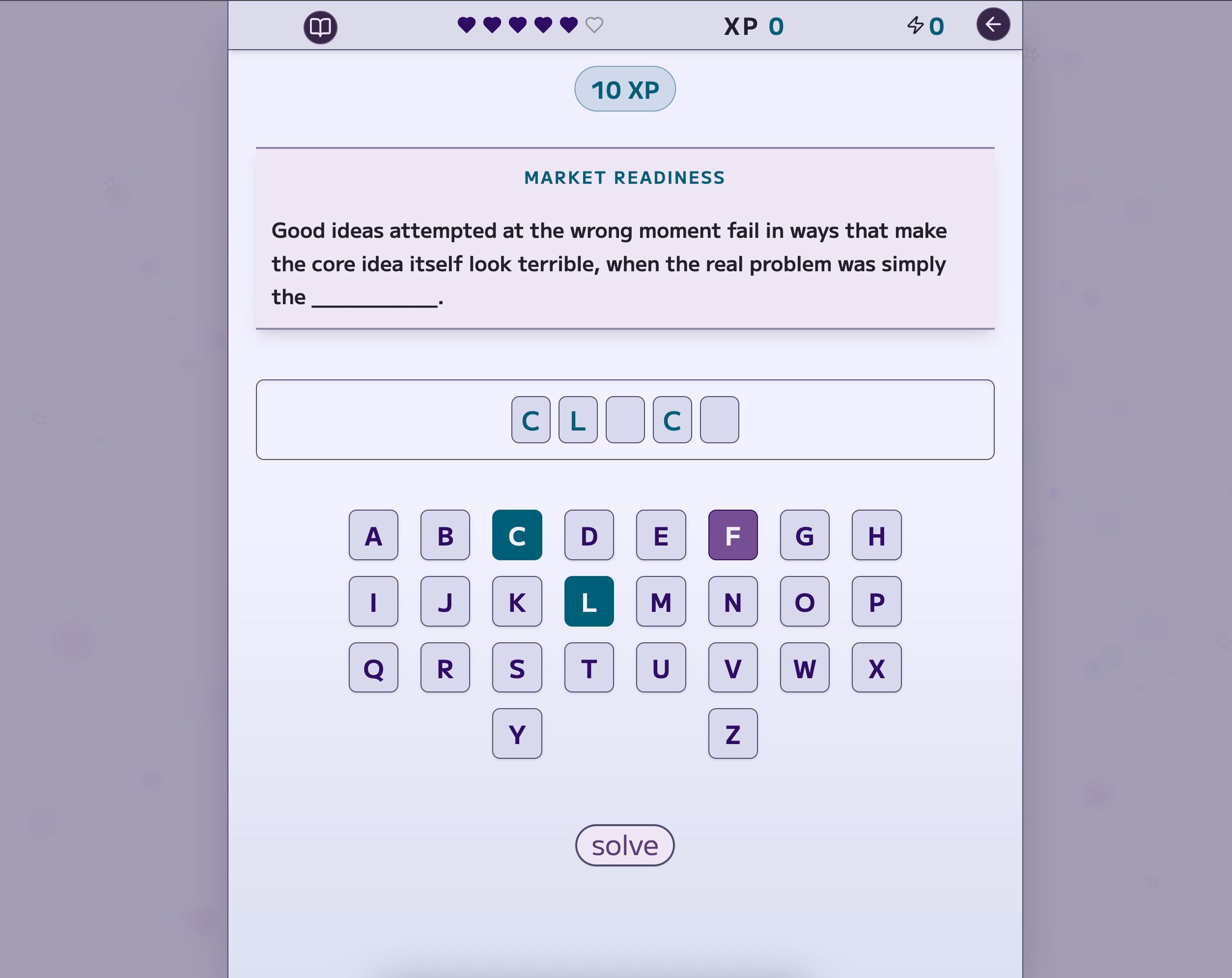
So the demo builds its questions from your source and nothing else. Every game question, answer, and explanation traces back to your text. This same grounding is the rule inside Lumi Forge, where the value always comes from engaging with the source material or the creator's unique ideas.
Hearts, and the Value of Losing Them
Each game gives you a small number of hearts, and losing them all ends the round. A wrong answer now carries a small cost, so you slow down just enough to think, and a good run feels earned. Reaching the maximum XP is hard, and that is the point.
I have come to see a lost heart as an invitation rather than a flaw. Because progress saves in your browser, with no account, you can come back as many times as it takes. The chase is what keeps you returning to the material.
Made to Be Printed and Shared
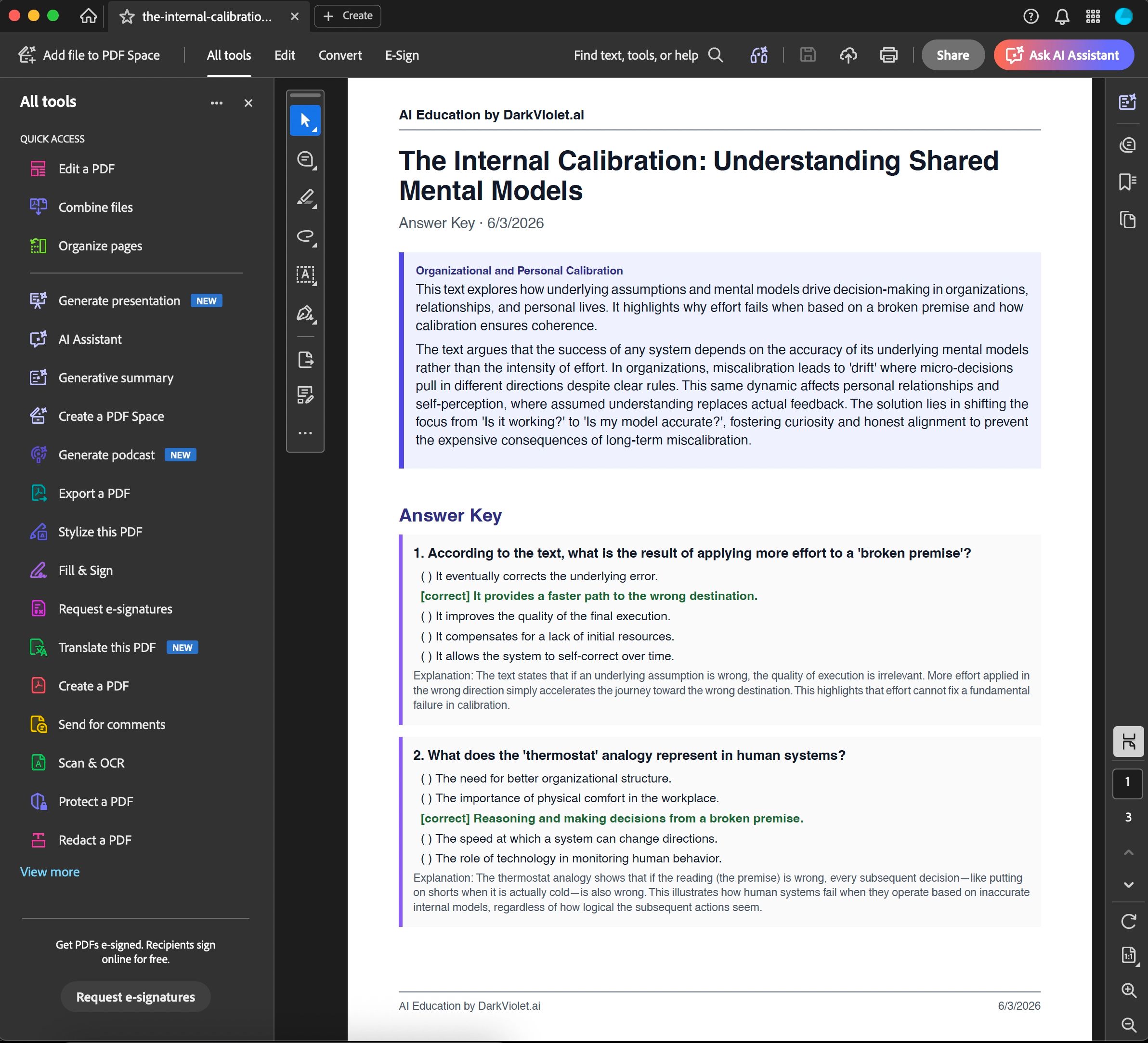
The games do not trap your material in the browser. When your game content is ready, you can download all four versions as a PDF: a blank worksheet, an answer key, the completed set with explanations, and a clean formatted copy of your content.
A teacher can print a worksheet and an answer key from their own material in one pass. A learner can play on screen and study the worksheet on paper. Our system handles the building, and you decide how the learning happens.
Scaling Up
The demo is one small part of something much greater. In Lumi Forge, the three games from the Gamified Learning demo expand into five, adding short answer and reflection, and they sit inside a larger knowledge-building experience rather than standing alone.
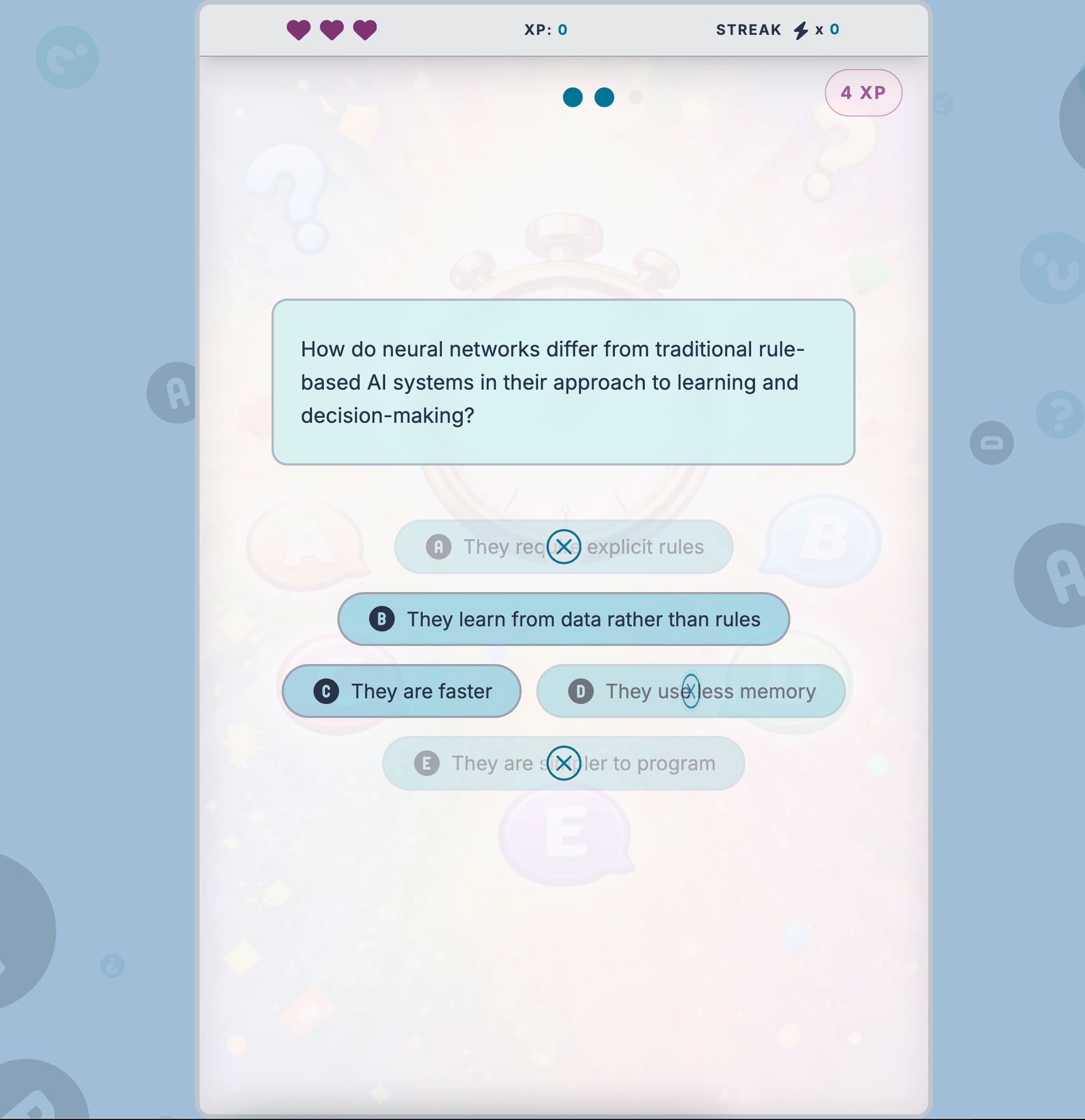
The play is woven through the whole platform rather than bolted on. Experience points reward the effort of wrestling with a hard idea rather than only the luck of getting it right. A static page has never been able to do that.
Becoming More Human
We spend so much energy forcing ourselves to focus, when the older and kinder solution is to make the work worth wanting to do. Play takes the parts of learning we dread and gives us a reason to walk toward them.
When we treat learning as something to endure, we forget it by morning. When we treat it as play, we come back on our own, and the knowledge settles in almost as a side effect. The demo lives on DarkViolet.ai, and the fuller experience lives at LumiForge.io.